Back to: Academy Library
Lines are everywhere and are several ways you can use lines in your images.
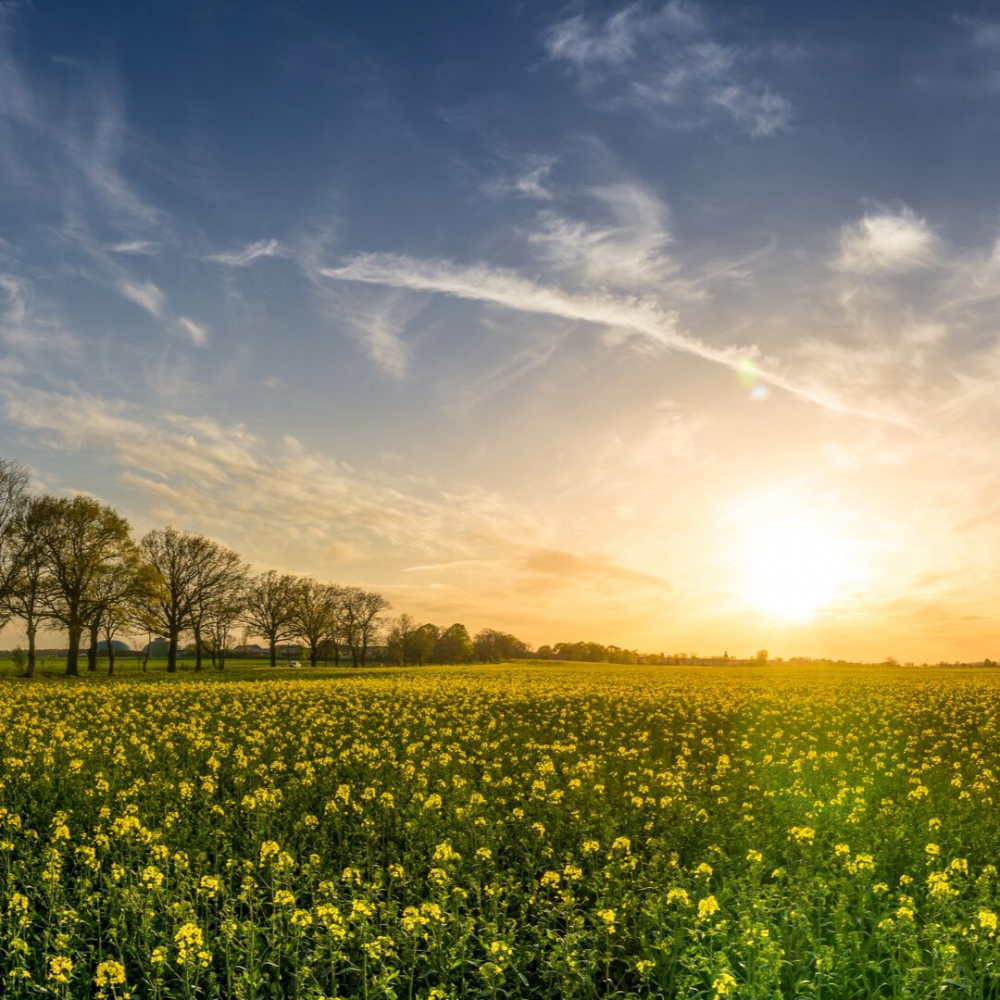
- Horizontal lines
The most common horizontal lines used in images is a horizon for a landscape. It’s used to create calmness and balance and is most effectively in conjunction with the rule of thirds. However they can also be used to emphasis vertical lines or balance symmetry.
It’s important that these lines are actually horizontally straight. You can easy correct this in post processing, but try to make sure you’ve got enough space to effectively crop if necessary.
Most common uses are: Horizons, steps, buildings, striped patterns,
- Vertical lines
Signal strength, granular and stability and are most commonly used for buildings, poles, tress, people standing. They can also create tension within your image when it meets a horizontal line, because we naturally look at photo left to right.
Multiple Vertical lines of the same subject is an easy way to create depth in your images.

Repeated lines capture the viewers attention while parallel are comforting. 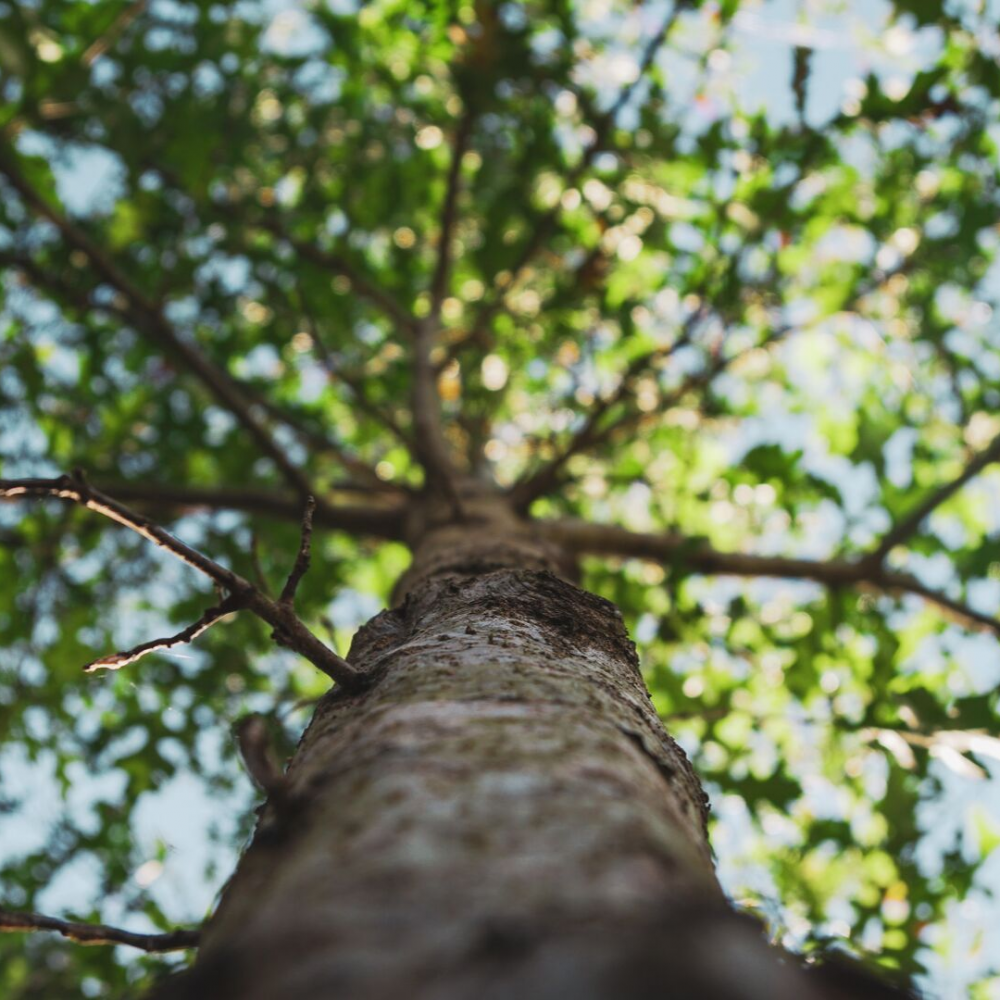
Creating a sense of grandeur and stability. 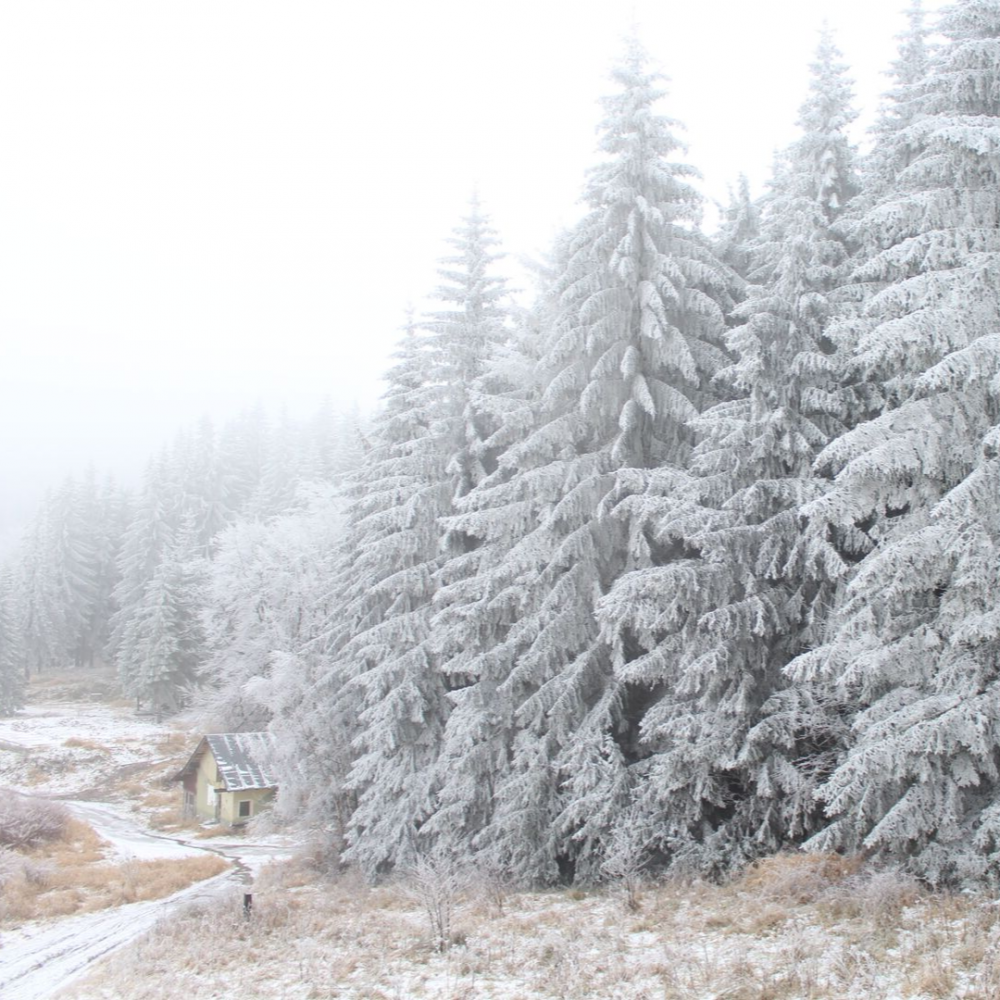
Creates depth and a leading line
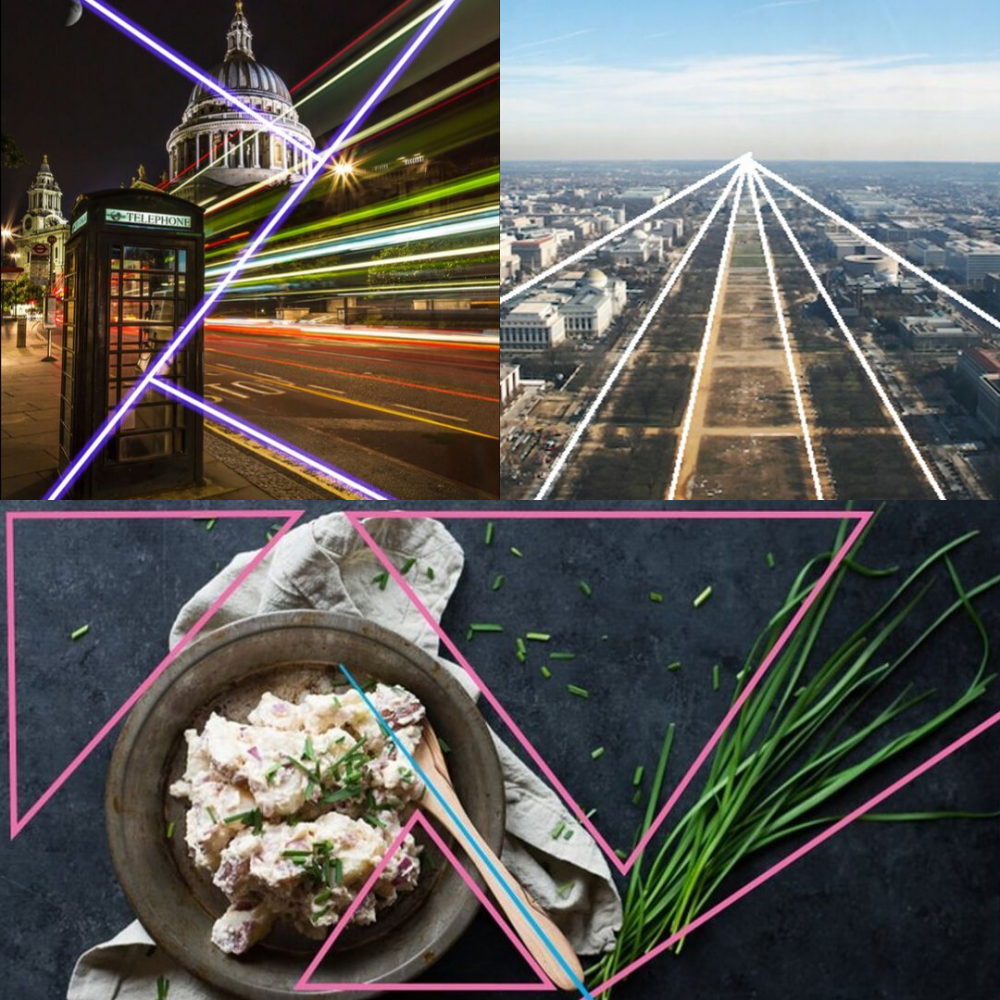
- Diagonal
These are great for using as leading lines, an z composition, and help create triangles. Diagonal or triangular compositions work extremely well in food photography, while leading lines can create motion within your image.

Diagonal lines can divide the image 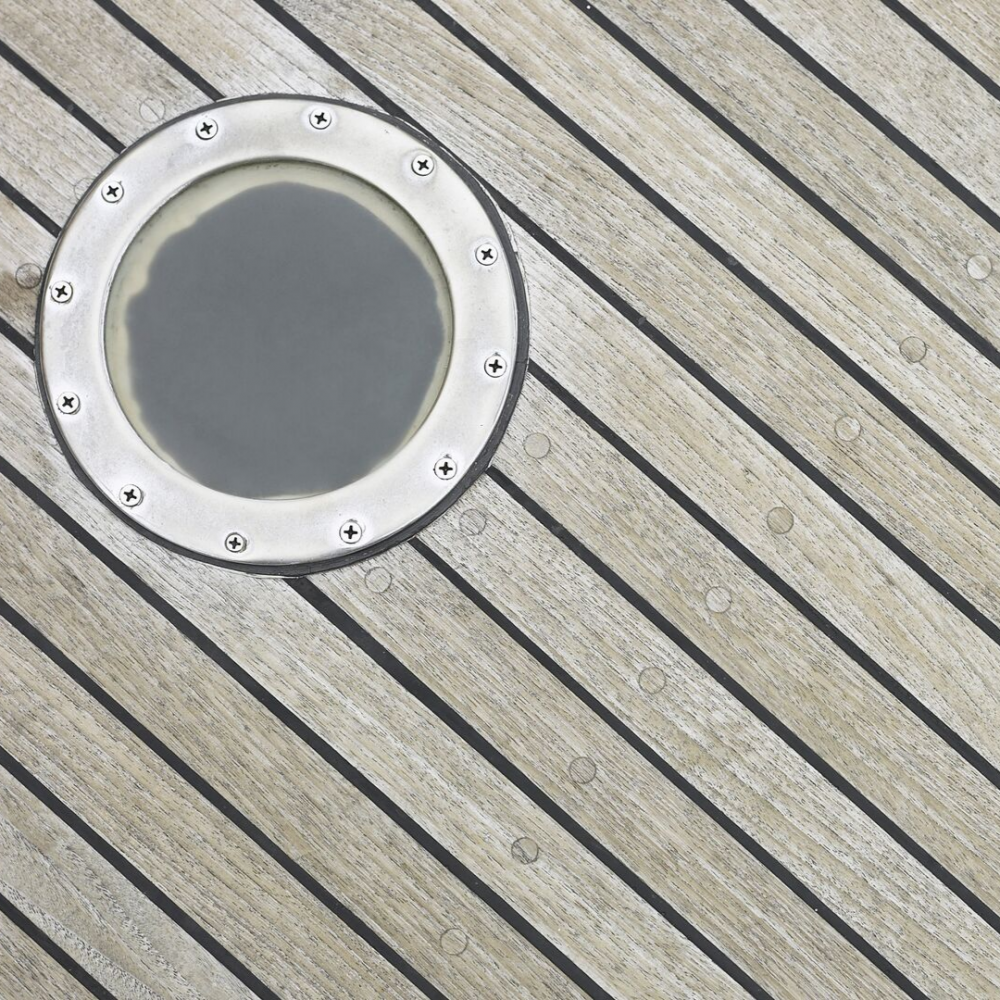
Create tension and a point of interest where the lines meet. 
Lead diagonal lines create depth
- Implied lines
Lines don’t have to be actual lines in your image. Winding paths or implied trajectory of an object in motion can effectively create a line in the mind’s eye.
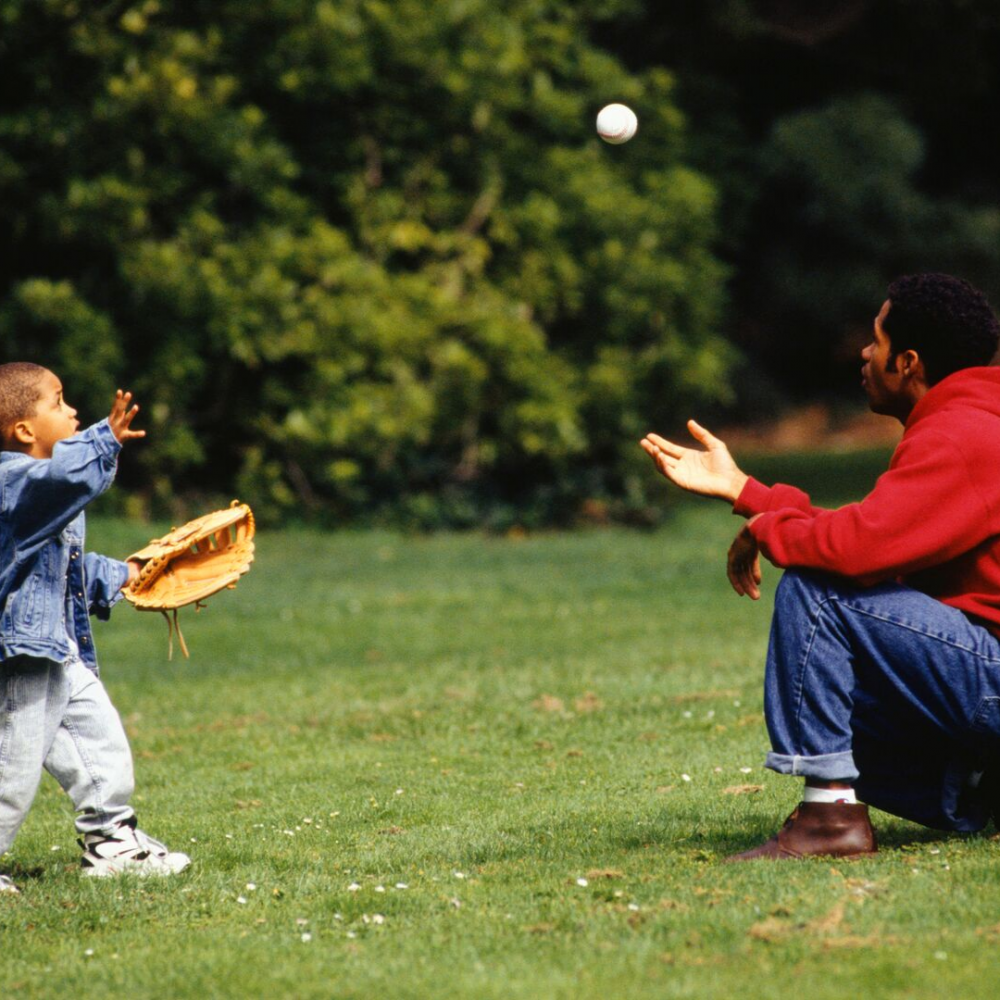
- Leading lines
Leading lines are my favourite compositional technique. It can have a very powerful impact on your image, allowing you to lead the viewers eyes to focus on the main subject.